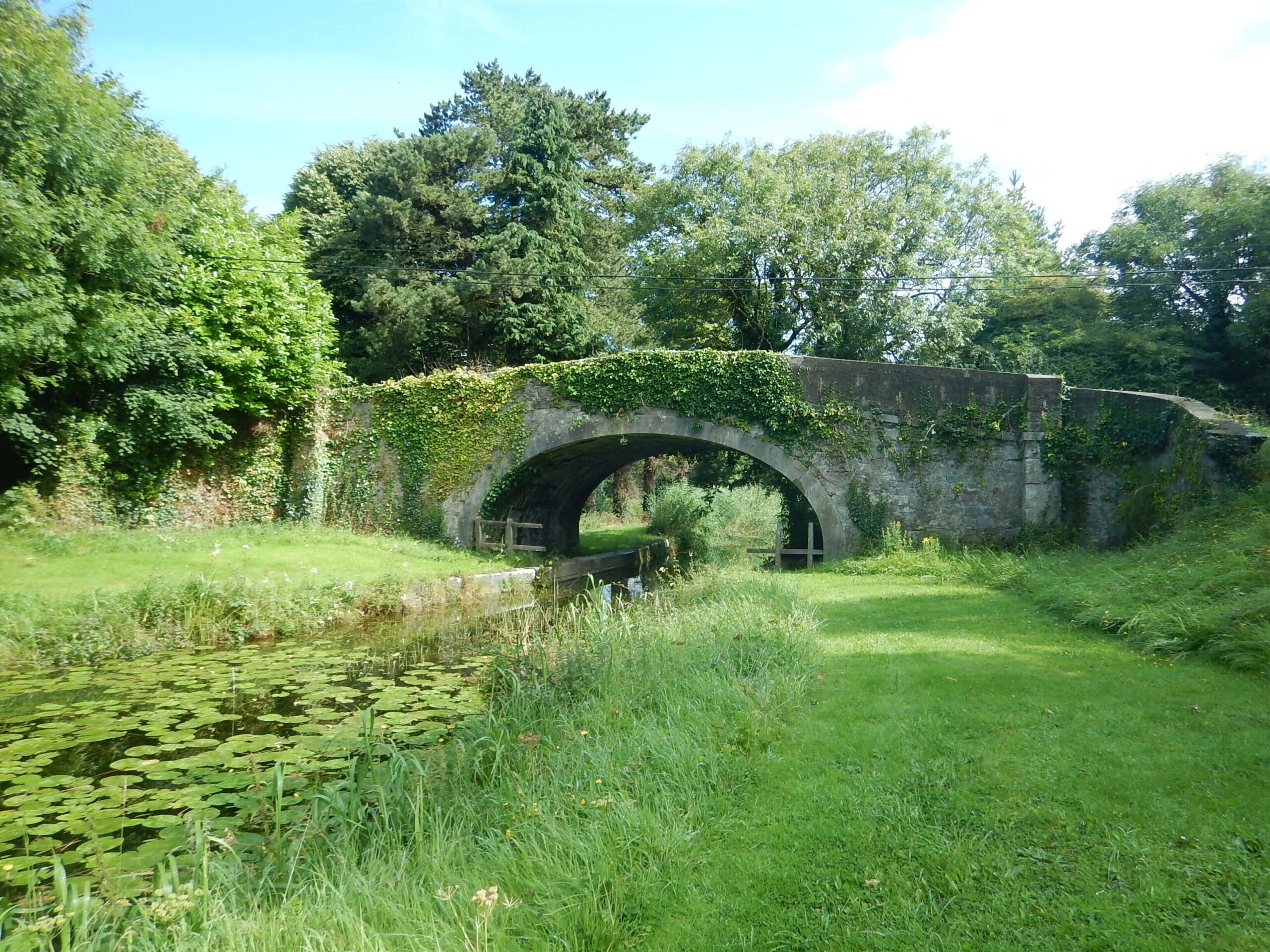
Corbally Canal and Liffey Corridor enhancement feasibility study
Kildare County Council sought to unlock the potential of the Corbally Canal and harbour by improving the towpath, supporting low-key recreation, and creating a clearer link to the community with the Liffey. Find out how we helped them answer the key question: what is realistically deliverable on public land, without causing unacceptable environmental or heritage impacts?

Working with the council, we tested options against real-world constraints such as land ownership, safety, ecology and heritage, and shaped a set of improvements that were practical to deliver. We also identified clear “no-go” options, helping the council avoid ineffective approaches and focus on solutions that are deliverable.
- Client: Kildare County Council
- Location: Corbally Canal / Corbally Harbour (Newbridge area)
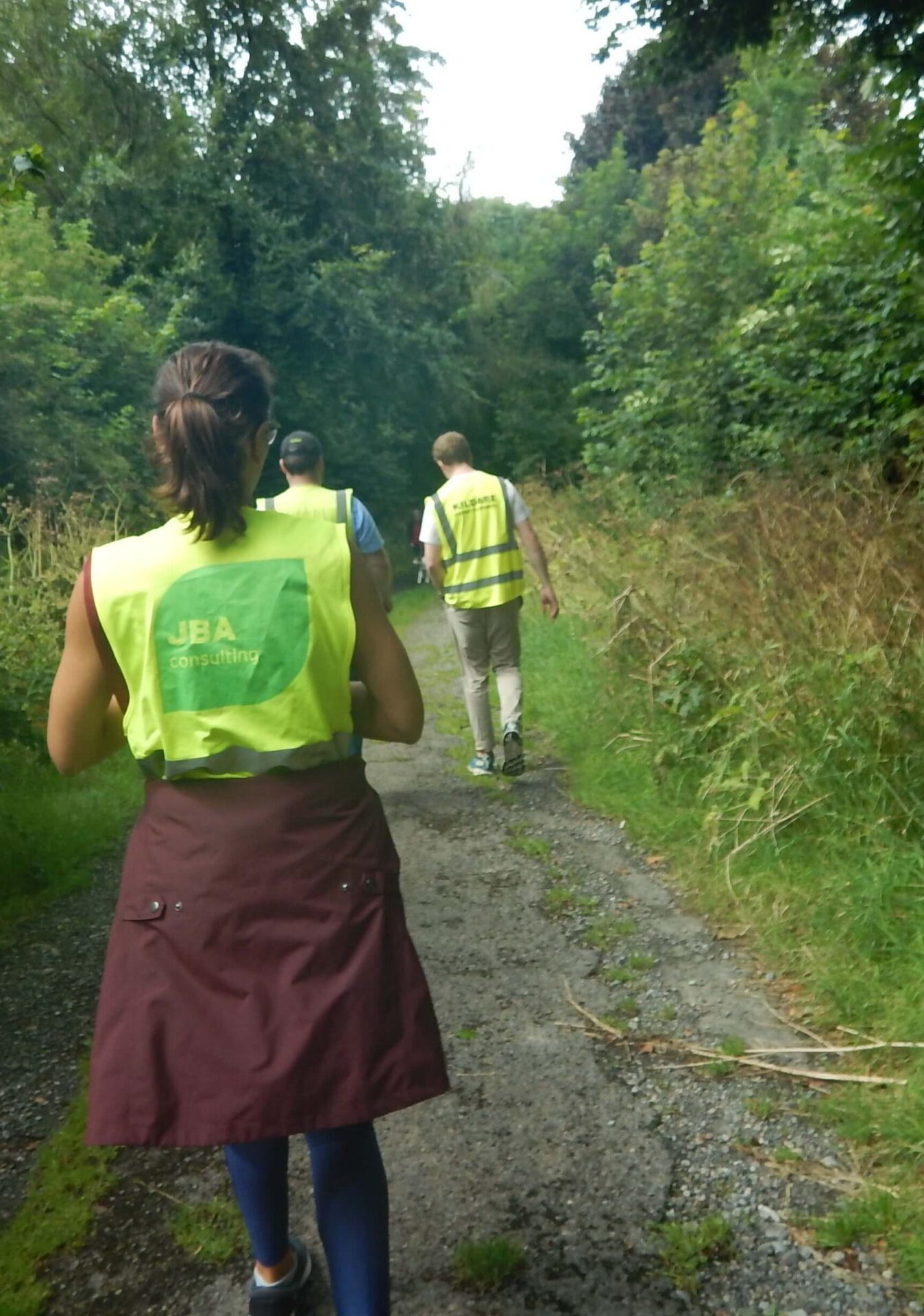
- Services: Environmental baseline surveys, option assessment and feasibility studies, public and stakeholder engagement
- Services
From vision to action: a clear, phased roadmap
The feasibility work confirmed that the most deliverable interventions are those that stay within the existing canal and harbour footprint, are conservation-led, and avoid introducing urbanising features into sensitive settings.
Recommended strategy and phasing:
- Upgrade the Corbally Canal corridor with soft, ecology‑led improvements
- Create a road‑based heritage link from Corbally Harbour to Newbridge with a pedestrian bridge
Along the Corbally Canal, this would entail repairing and resurfacing the towpath without widening, addressing localised drainage issues, improving wayfinding and interpretation, and focusing on the canal's heritage and biodiversity, including the management of invasive species, while maintaining dark corridors with little or no lighting to protect bats and other wildlife. The canal’s potential for non-motorised water-based recreation was also identified as feasible in principle, subject to detailed design and any bridge-related requirements.
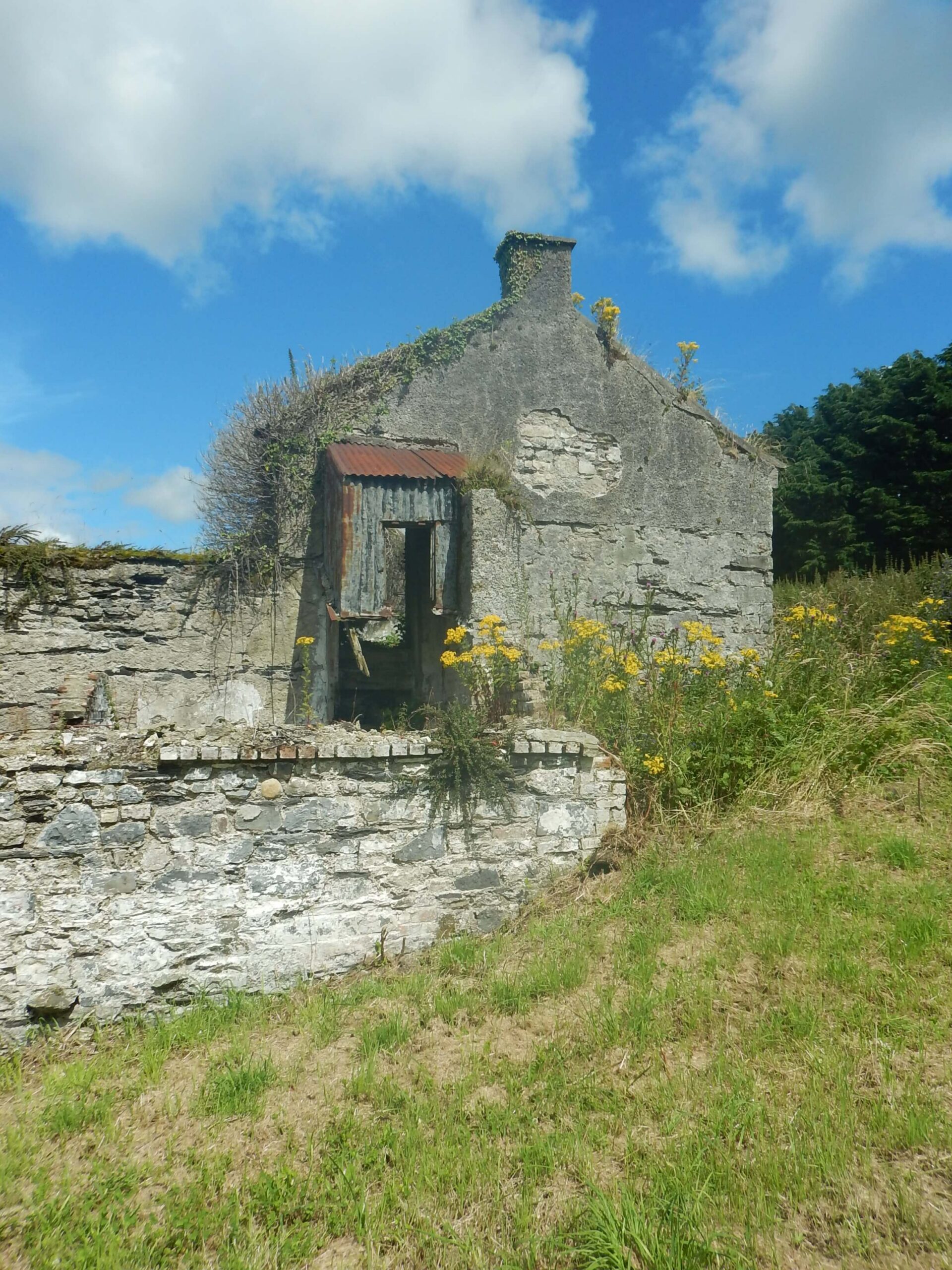
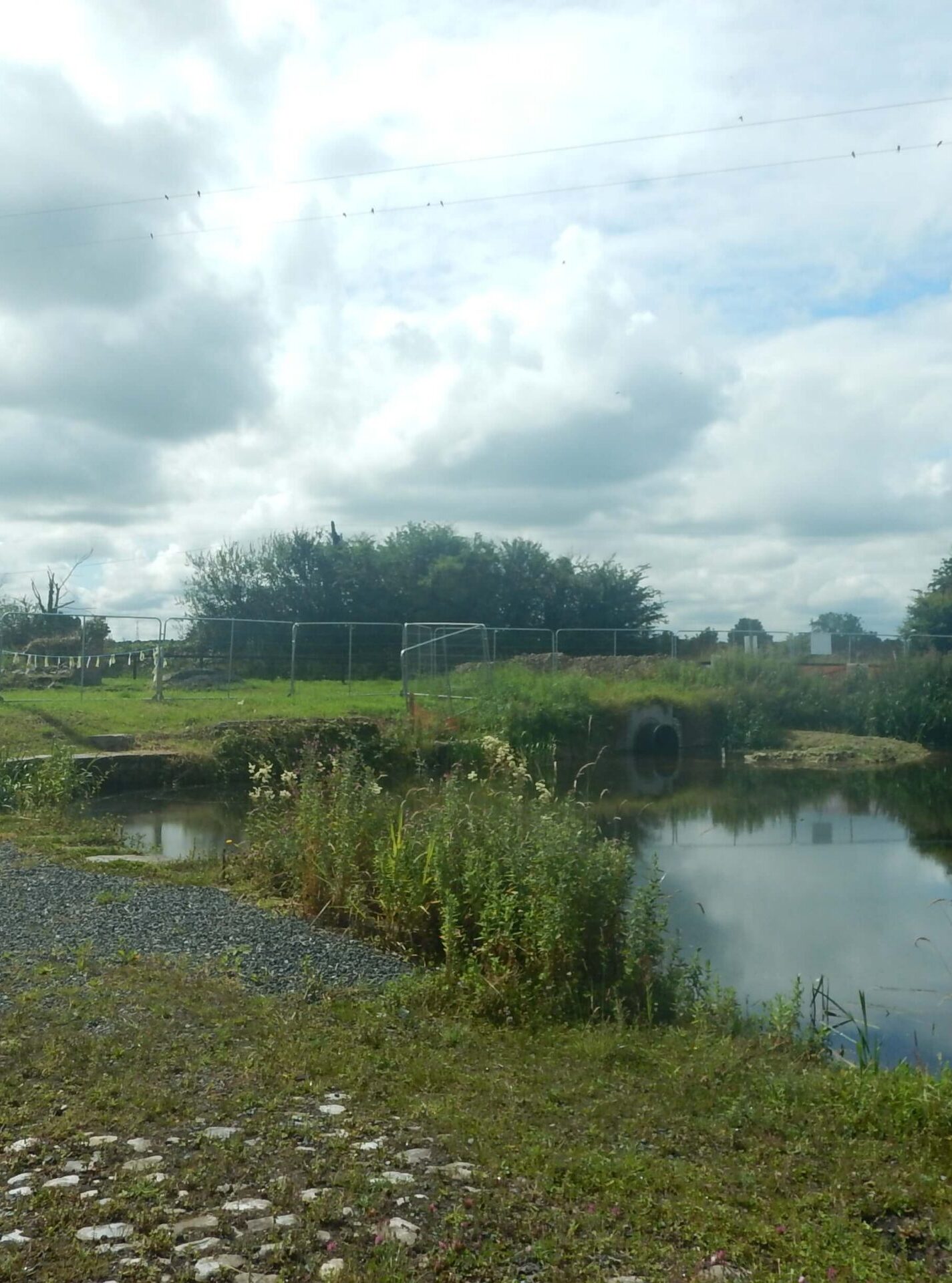
Corbally Harbour was identified as a key access point and local trailhead with strong community support, where careful restoration of the protected harbour buildings and modest visitor facilities could be accommodated alongside ongoing Waterways Ireland maintenance access. Feasible measures include a small, community-focused hub, such as a café or community space; visitor information and boat hire; simple seating and interpretation; and limited, managed parking. This is to be supported by practical safety and day-to-day management arrangements.
For the onward link towards the River Liffey corridor, the study found the strongest and most deliverable approach is a road-based route using existing public roads (Harbour Road/Quietway), supplemented by a new clear-span pedestrian bridge at Connell Ford; this avoids private land, helping to protect the highly sensitive Greatconnell Priory heritage landscape, and keeping signage and lighting to a minimum. This approach improves access and wayfinding without land acquisition and helps protect a sensitive heritage landscape.
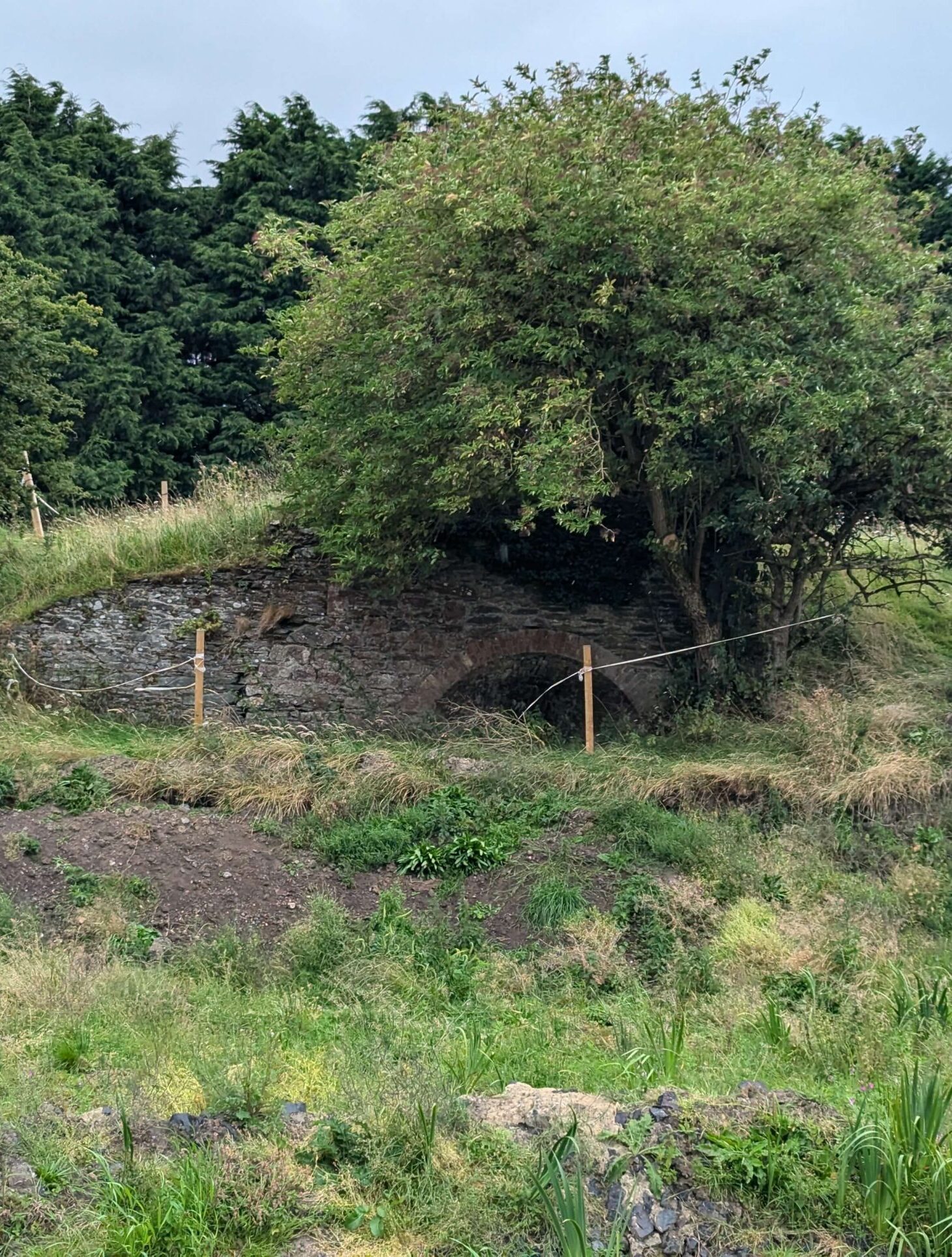

Better decisions, earlier: clear guidance reduces risk and supports faster progress
To keep the project deliverable and to avoid unacceptable impacts, the study confirmed that the following options should not be taken forward:
- New off-road trails/greenways along the River Liffey.
- Routes requiring private land, road widening or significant land-take.
- Connections between Athgarvan and Kilcullen along the Liffey.
These options would require land that the council does not control or could introduce significant environmental and heritage risk. Alongside this, environmental and heritage protection was built into the project from the start, with the study setting clear requirements to keep impacts low and to support smoother consenting as ideas move into design.
The outcome of the case study provided the council with a strong starting point, with visible, quick-win improvements along the canal and at the harbour, followed by improvements at the bridge once funding and consents are in place.